


Sign Expo Case Study
Sign Expo has been designing, fabricating, and installing custom signs since 1985. Located in the heart of Manhattan, their team of designers, project managers, fabricators, and installers have produced over 10,000 custom signs across New York City and nationwide.
Some of Sign Expo's projects are simple: A single, basic sign in a single location, while some of their projects are complex: Multiple types of signs in a single proposal. Nearly all of the projects are custom, meaning that in order to provide an estimate to clients, all kinds of background information needs to be compiled - cost of raw materials, cost of labor, complexity of the job, and sometimes the cost of outsourcing some elements of the project.
Orli LeWinter, the Chief Business and Marketing Officer, had experimented with no-code AI tools and found that no matter how much direction she provided or how much she corrected mistakes, it constantly made avoidable errors, e.g., not realizing when a proposal contains more than 1 element; including boilerplate copy from the proposal in a field that's supposed to be dimensions, etc.
The vision was to create an AI Signage Estimator bot that could learn from Sign Expo's historical estimate and proposal data, identify patterns in the estimates, and generate reliable estimates that would always be reviewed by company leadership before going to a client.
Challenge
In order to create a reliable estimator agent, we needed to first give it a tranche of parsed data, which was provided in 270 example proposals that were sent to clients over the past 6 months.
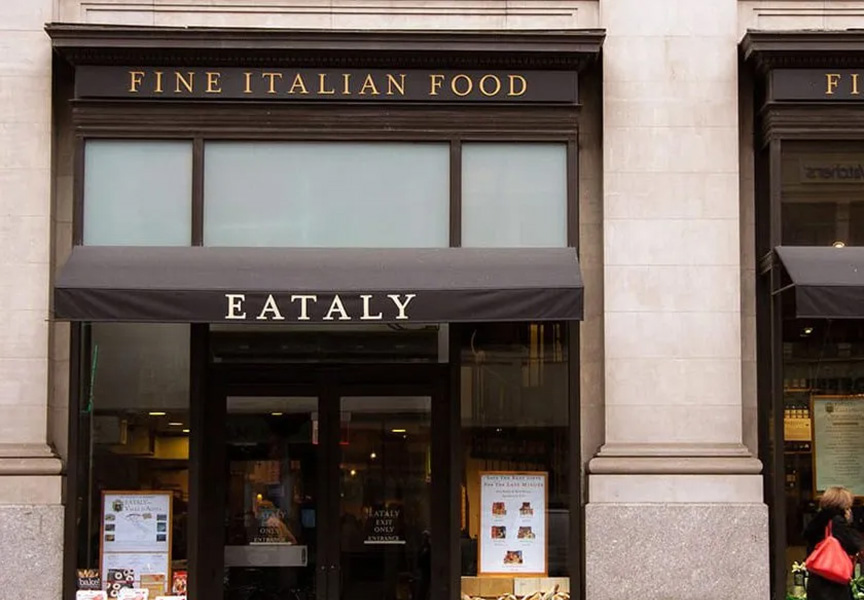
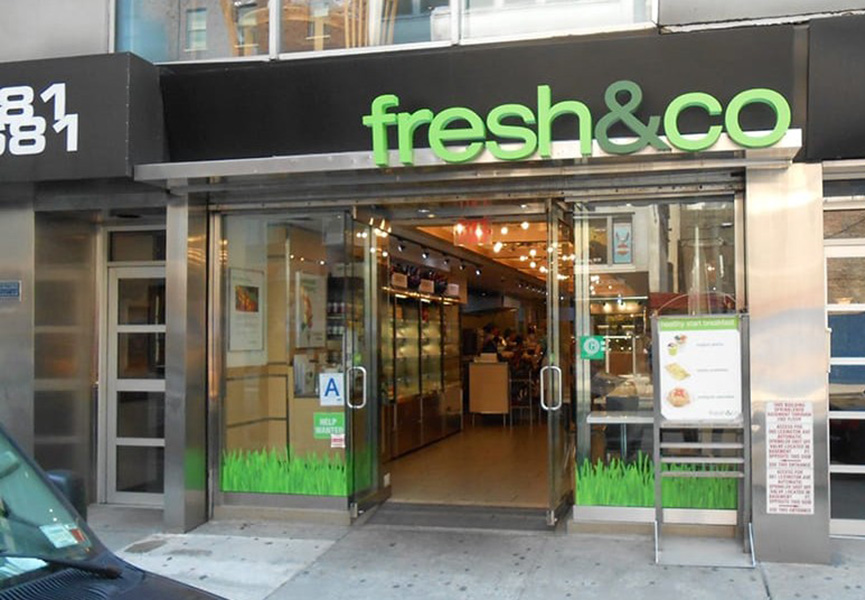
The biggest challenge was that the proposals/invoices/estimates did not follow a concrete format. While they all mostly looked the same, the data inside the PDF's was inconsistent. Some of the proposals required only one single sign, while some had 3 or 4 signs, but there was only one price listed for everything together. Sometimes the size and material and fabrication technique were clearly described, and other times it was more vague.
Development & Implementation
The first step, using Claude Code and Visual Studio, was to extract all 270 of the proposal PDFs into a single Excel, and, after a little verification, ensure that all of the data was lining up correctly in the columns and populated as intended.
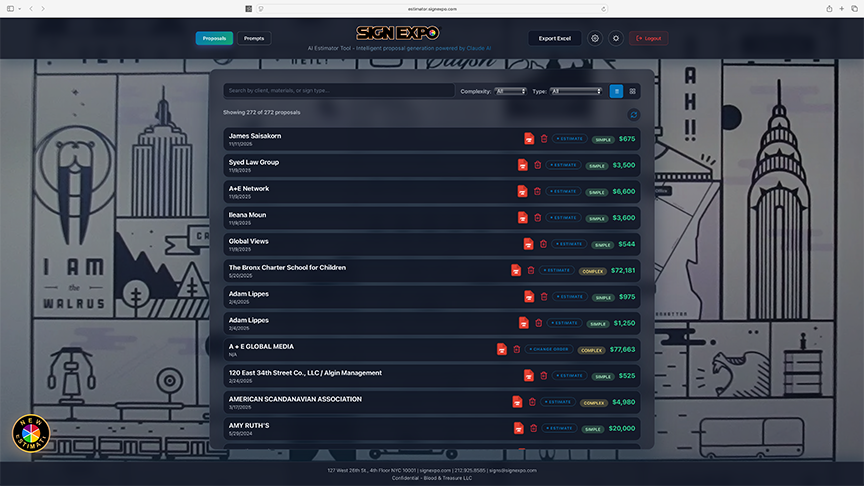
We prepared a first draft of a build that takes in the inputs and generates a PDF estimate that can be edited on the page and includes search and filter. Then we added line item editing and wrapped up the UI in accordance with the client's feedback, along with completing QA in case of edge cases.
Results
The project was completed within 10 days. Once live, we met on-site to train the staff on the workflow. With the AI estimator performing well, the client is considering a follow-up AI agent for project management.

"Working with Oscar and Noel at Blood and Treasure was really a pleasure. From the first moment when I shared the problem we were trying to solve at Sign Expo, they came with proactive solutions, developing a kind of proof of concept before we even made the relationship official. Once we decided to move forward with building the tool we needed, they were extremely active listeners and really grasped what we were trying to accomplish, and very quickly built an intuitive tool for us that punches far above its weight. We are just getting started using the platform they built, but I am very optimistic about its potential to transform how we do business."